-
 +679-707-2270
Fiji Islands
+679-707-2270
Fiji Islands
- +1-702-247-4536 US
 +679-707-2270
Fiji Islands
+679-707-2270
Fiji Islands
 Back to Blog
Are you wondering about the best activities and experiences for tourists in Fiji?
Every year, 982,938 visitors arrive in Fiji, yet many leave without knowing what to do. They miss hidden gems, cultural moments, and unique adventures. Without the right guidance, they enjoy only a fraction of what these islands truly offer.
This guide is here to help. Whether you want to hike through lush rainforests, dive into vibrant coral reefs, or simply relax by the turquoise sea, we’ll share the best things to do in your tour. Our goal is to help you discover experiences that will turn your holiday into a lasting memory.
Fiji offers more than beaches and lagoons – it is a land of stories, rituals, and living traditions. These cultural experiences let you connect with local life and discover the true heart of the islands. Let’s discover them together.
Joining a kava ceremony is one of the must do things in Fiji. Kava comes from the root of the yaqona plant, which Fijians pound into powder and mix with water. The drink has a mild, earthy taste and creates a calm, relaxed feeling.
The tradition dates back more than 3,000 years and remains central to Fijian culture today. Ceremonies happen during weddings, village meetings, or when welcoming guests. Tourists who take part often describe the ritual as one of the most unique things there.
Most visitors rank cultural activities like the kava ceremony as “highly memorable. Families often join because the ceremony includes storytelling, singing, and community warmth, which makes it one of the best things to do in Fiji with kids.
At Beqa Lagoon Resort, you can join authentic kava ceremonies as part of your stay. We partner with nearby villages to offer cultural activities in Fiji, giving you a respectful way to go local in Fiji and experience real island life.
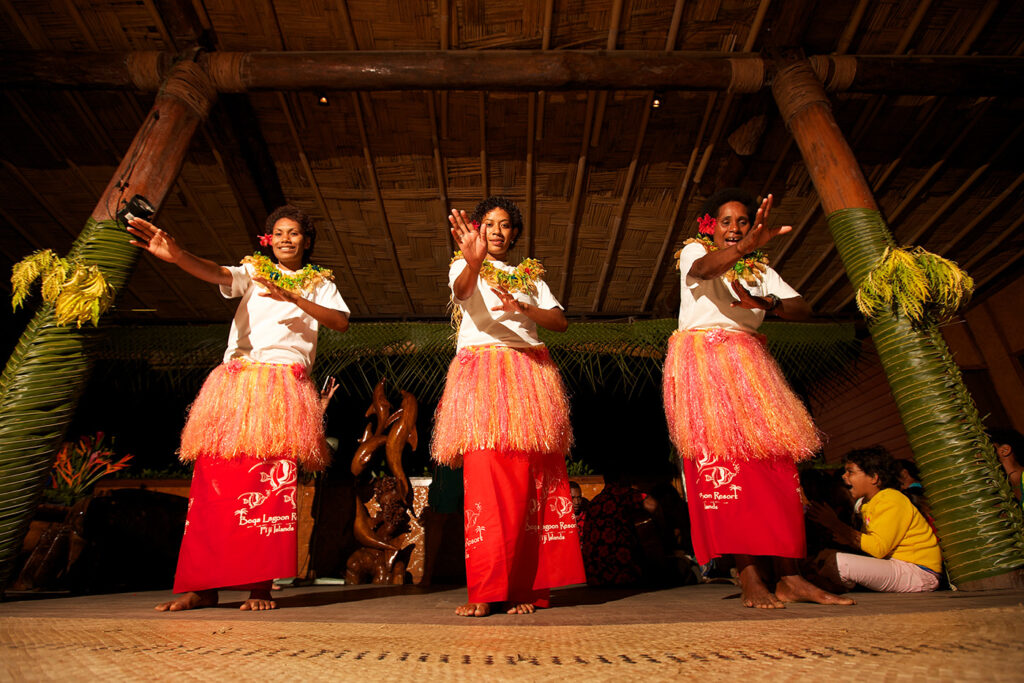
Watching a meke dance is one of the most unique things to do in here. Meke combines song, chanting, and dance to tell stories about history, legends, and everyday village life. The performers use their bodies, voices, and sometimes weapons or fans to bring these stories alive.
Men usually perform warrior dances with spears or clubs, while women showcase graceful movements with fans and tapa cloth. The bright costumes often feature masi (bark cloth), shells, and flowers, which highlight artistry and tradition of this island.
Tourism Fiji notes that cultural performances like meke are among the top five most attended activities by visitors. Audiences describe the energy as powerful and emotional. Some performances honor ancestors, while others celebrate harvests, battles, or community events.
Watching the fire walkers of Beqa Island is one of the most unusual things to do in Fiji. This ritual is unique to the Sawau people of Beqa and has been performed for over 500 years.
According to legend, a warrior received the gift of walking on fire from a spirit god after catching an eel in the forest. Since then, his descendants have carried on the tradition. The ritual involves heating stones in a large pit until they glow red. Barefoot men then step onto the stones and walk slowly across without injury.
The ceremony is more than entertainment. It is a sacred act tied to identity, belief, and cultural pride. The performance includes chants, preparation rituals, and community gathering, which make it one of the must-do things for visitors seeking an authentic connection.
At Beqa Lagoon Resort, you can witness this ritual firsthand. Our team works with the Sawau villagers, the only people who perform this ceremony. Guests describe the experience as unforgettable because it combines thrill, history, and cultural meaning. Including fire walking in your Fiji village tour gives you a rare chance to see a living legend in person.

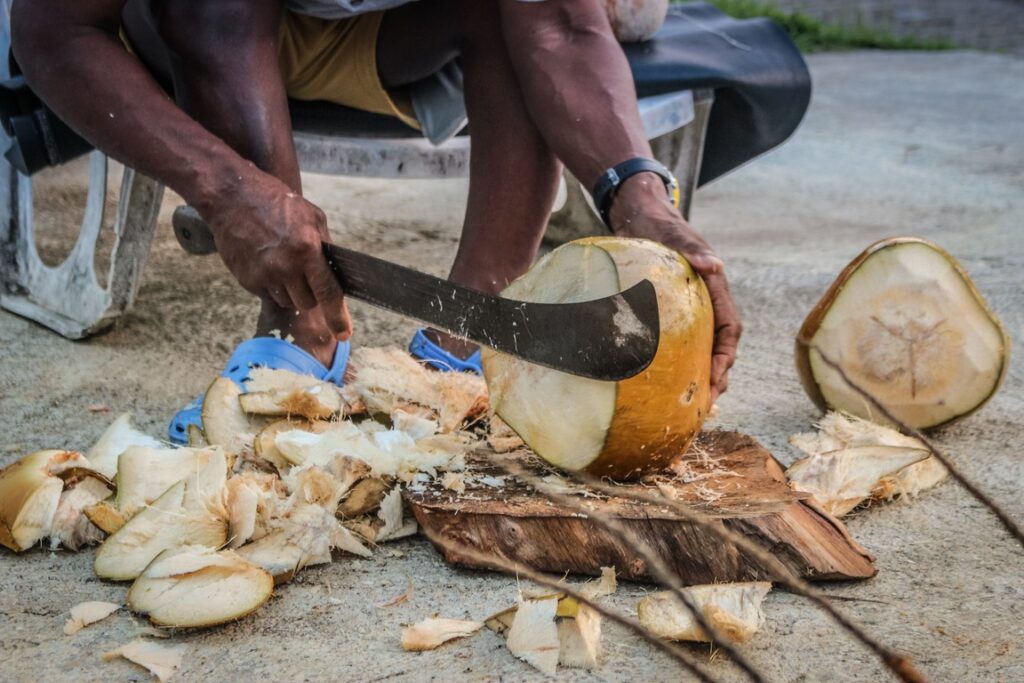
Joining a coconut and weaving demonstration is one of the best Fiji activities if you want to go local Fiji. The coconut tree is called the “tree of life” because Fijians use every part of it. The husk becomes rope, the shell becomes bowls, the fronds become baskets, and the milk becomes food or drink.
During a demonstration, villagers show you how to husk and crack a coconut using traditional tools. You learn how they extract milk, which is used in many dishes here. Visitors often call this one of the must-do things with kids because children love trying the husking and tasting fresh coconut water.
Weaving is another part of daily life. Women skillfully braid palm fronds into mats, baskets, and hats. These crafts are not just souvenirs; they are items used every day. According to the Fiji Arts Council, weaving remains one of the most important cultural activities, especially in rural communities.
At Beqa Lagoon Resort, guests can join local tours in that include coconut and weaving demonstrations. Our team partner with nearby villages so you experience not only the skill but also the warm hospitality that defines a Fiji village visit.
Learning how to prepare Kokoda is one of the must-do things in Fiji if you love food. Kokoda is Fiji’s national dish. It is made with raw fish marinated in lime juice, then mixed with coconut cream, onions, tomatoes, and chilies. The citrus cooks the fish without heat. The coconut cream adds smoothness that balances the sharp flavor of lime.
Food experts often call Kokoda the Pacific version of ceviche. What makes it unique is the blend of ocean freshness with the coconut, a symbol of island life. According to Tourism Fiji, Kokoda is consistently rated among the top five Fiji local food experiences that visitors remember most.
Learning Kokoda is more than a cooking lesson. It is a cultural activity in Fiji that brings people together. Sharing food is one of the main ways Fijians show friendship and respect. When you prepare and taste Kokoda, you share in a ritual that connects you directly with Fijian identity.
At Beqa Lagoon Resort, guests join a Kokoda cooking show as part of their stay. The chefs guide you through the process while explaining the cultural role of food in village life. This experience makes you feel part of the island community, not just a visitor.
A Fiji village visit is one of the most unique things to do in Fiji if you want real cultural immersion. Villages are the heart of Fijian society. Families live in close-knit communities where tradition and respect shape daily life. When you join a Fiji cultural village tour, you step into this world as a welcome guest, not just a tourist.
Visitors often bring small gifts or school supplies, which are deeply appreciated. Families who travel say this is one of the most meaningful things to do in Fiji with kids, because it shows children a lifestyle different from their own.
A Fiji village tour is also about respect. Guests follow dress codes and cultural customs. In return, villagers share traditions, laughter, and hospitality. This cultural exchange is why many travelers rank village visits among the must-do things in Fiji.
At Beqa Lagoon Resort, guests can join local tours in Fiji that include both village visits and school tours. Our team introduces you to communities where many staff live, creating an authentic and personal connection. This is not staged tourism – it is a respectful and genuine way to go local Fiji.

Attending a Sunday church service is one of the most unique things to do in Fiji if you want to understand local life. Christianity is central to Fijian culture, with over 64% of the population identifying as Christian. Services are lively and heartfelt, filled with hymns and community spirit. Even if you do not share the faith, you are welcome as a guest, and you feel the warmth of belonging.
The Raviravi Choir adds another layer to this experience. Their harmonies are powerful and moving, often described by visitors as unforgettable. Choral singing has deep roots in Fiji, blending Western church traditions with Polynesian vocal styles. Music carries stories of resilience, faith, and connection. Listening to the choir is one of the cultural activities in Fiji that leaves a lasting impression.
At Beqa Lagoon, guests can join a local church service and enjoy an evening performance by the Raviravi Choir. These moments show you the heart of island spirituality and hospitality, offering a chance to connect with the community in a meaningful way.
The fire ceremony is one of the most unusual things to do in Fiji. It begins with the beat of the lali drum, a traditional wooden drum used to call communities together. Warriors appear carrying torches, lighting the night with flames as they chant and move in rhythm. This ritual reflects ancient customs of strength, courage, and community gathering.
When the Polynesian fire dancers take the stage, the energy rises. Performers twirl flaming torches in fast, precise movements, creating sparks and circles of light against the dark sky. This performance style comes from Polynesian islands across the Pacific, and it has become one of the most popular cultural activities in Fiji. Tourists describe it as both thrilling and beautiful – a highlight of things to see and do in Fiji.
At Beqa Lagoon, the fire ceremony and Polynesian fire dance shows are performed by local villagers and skilled dancers. Guests gather before dinner to enjoy the flames, music, and excitement in an open-air setting. It is more than entertainment – it is a living link to Fiji’s shared heritage.

Hiking through the lush interior of Beqa Island is one of the most unique things to do in Fiji. The trail follows streams and forest paths until you reach the site where the legendary fire walking tradition began. It is said that a warrior named Tui Naiviqalita received a gift of walking on fire after an encounter with a spirit god. This story explains the origin of the Beqa Island fire walkers, who remain the only people in Fiji to perform this ritual.
The hike itself is a cultural activity in Fiji as much as a natural one. You move through a rainforest alive with bird calls and pass waterfalls where you can stop for a swim. Along the way, guides share stories about local plants, legends, and the importance of the land in its identity.
At Beqa Lagoon, the hike to the fire walker legend site is organized as part of local tours in Fiji. Our team leads you through the forest, tells the story in detail, and gives you time to enjoy the waterfall. It is an experience that blends nature, myth, and culture into one unforgettable adventure.
Exploring Suva, Fiji’s capital, is one of the best things to see and do in Fiji if you want a taste of city life. With more than 93,000 residents, Suva is the largest urban center in the South Pacific outside of Australia and New Zealand. It is a vibrant mix of cultures, with Indo-Fijian, indigenous Fijian, and Pacific Island communities shaping the rhythm of the city.
The Suva Municipal Market is the heart of the capital. Farmers bring taro, cassava, breadfruit, and piles of tropical fruits. You can also find spices, handicrafts, and flowers that reflect Fiji’s diverse heritage. This market is a favorite among travelers looking for Fiji landmarks and attractions tied to everyday life.
At Beqa Lagoon, you can book a Suva day trip as part of your stay. Our team arranges transport and guides, ensuring you enjoy both the highlights and hidden gems of the city. This makes it easy to go local Fiji while returning to the comfort of island life at the end of the day.
The best time to visit Fiji is during the dry season from May to October. These months bring cooler nights and calm seas, which are perfect for exploring villages or joining cultural ceremonies. Divers and snorkelers also find this season ideal because the water is calm and visibility is pristine.
Most visitors do not need a visa for short stays. On arrival at Nadi International Airport, travelers from more than 100 countries can enter Fiji visa-free for up to four months. All you need is a valid passport, proof of onward travel, and accommodation details. If you plan to stay longer, extensions are available through Fiji’s immigration office on Viti Levu.
Kokoda is the most famous dish, but there’s more to enjoy. A lovo feast, where meat and vegetables are cooked underground on hot stones, is a traditional Fijian experience that many resorts arrange for guests. Cassava chips, taro leaves cooked in coconut milk, and tropical fruits like pawpaw and pineapple are also worth tasting. Food in Fiji is more than a meal — it is a way to share culture and community.
Yes, Fiji is considered safe and welcoming. Villages, towns, and Pacific Harbour — known as the adventure capital of Fiji — are generally friendly to travelers. Normal precautions apply, such as keeping valuables secure. Respect for local customs also helps ensure a warm welcome. Many visitors note that the hospitality of Fijians makes them feel at home from the moment they arrive.
Start with a kava ceremony or a meke dance performance to learn about storytelling and tradition. A visit to a village or school on Beqa Island gives you a real glimpse into daily life. Other cultural activities include coconut show, weaving or Fijian cooking show. Venture through the jungle to a hike to mystical waterfall.
When visiting a traditional Fijian village, modest dress is important — cover shoulders and knees for women, and both women and men should remove hats and sunglasses in the village as a sign of respect. It is polite to bring a small gift, such as kava root or school supplies. Always wait to be welcomed before entering a home or meeting area. These customs help you experience genuine hospitality and show respect to your hosts.
Yes, many cultural activities are family-friendly. Children enjoy coconut husking, weaving demonstrations, and tasting fresh fruit. Families can snorkel together in clear lagoons or join easy hikes to waterfalls. A village visit is especially meaningful for kids because it shows them another way of life. Whether you stay at a boutique retreat or one of the many resorts across the islands, there are plenty of experiences designed for both adults and children.